
Roof Leak Repair in Minneapolis: How to Find It, Fix It, and Make It Stay Fixed
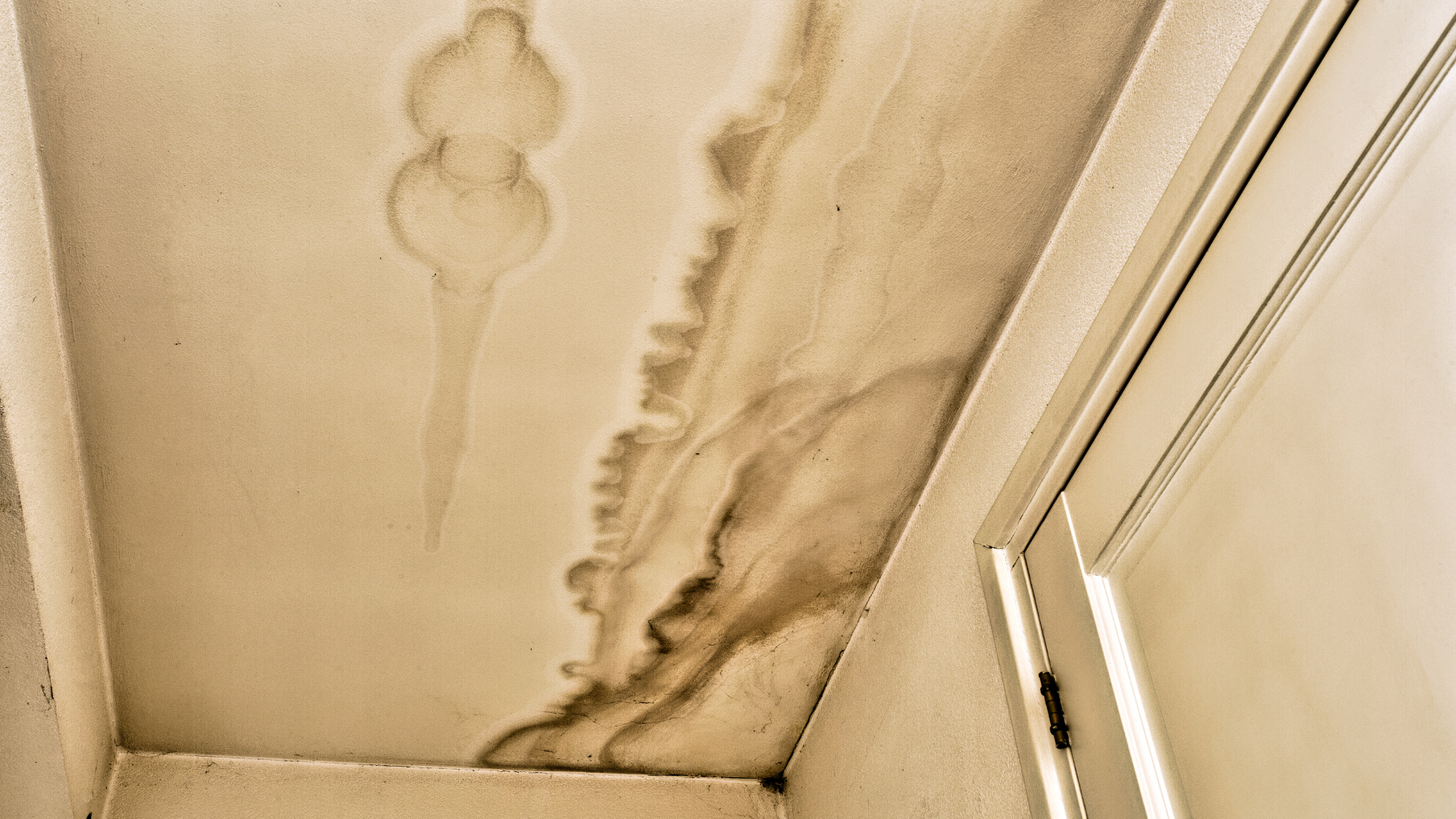
A roof leak is the most common — and most misleading — residential roof problem in Minneapolis. It’s common because Minnesota climate punishes every weak point: ice dams drive water uphill, freeze-thaw cycling cracks sealants, severe storms lift shingles, and aging flashings fail quietly over years. It’s misleading because water almost never leaks where it first appears inside the home — it travels along rafters, pools in insulation, and shows up in a room that has nothing to do with the actual failure point on the roof.
This is the practical guide to roof leak repair in Minneapolis: how a pro actually traces a leak to its source, what a proper repair looks like (vs. the tarring-over that cheap contractors pass off as a fix), typical 2026 costs, and the Minnesota-specific considerations that make leak repair here a skill not every contractor has.
Roof leak repair in Minneapolis: finding the actual source
The critical first step of any quality roof leak repair is diagnosis, not repair. Water entering a Minneapolis home through a ceiling stain can originate from almost anywhere on the roof — even multiple feet uphill of where it shows up inside. Five most common sources of residential roof leaks in Minneapolis:
- Failed pipe boot or vent stack flashing (40%+ of leaks). Rubberized pipe boots fail at 10–15 years from UV and thermal cycling, long before the shingles around them fail. This is the single most common leak source on Minneapolis homes. See pipe boot / vent stack repair in Minneapolis.
- Chimney flashing failure (~20% of leaks). Failed mortar, cracked counter-flashing, old tar patches that have dried out. Chimneys are the most failure-prone flashing location on most Minneapolis homes. See chimney leak repair in Minneapolis.
- Step flashing failure at wall intersections (~15% of leaks). Water gets under the siding and into the wall cavity, then emerges inside in unexpected locations. See roof flashing repair in Minneapolis.
- Ice dam back-up (~10% of leaks, seasonal). Minnesota-specific. Water backs up under shingles at the eaves during winter ice dam events and enters the home. See ice dam damage repair in Minneapolis.
- Valley leaks and skylight leaks (~15% combined). Less common but persistent when they happen. See roof valley repair and skylight leak repair in Minneapolis.
A professional leak diagnosis in Minneapolis involves interior inspection (following the stain backward toward the probable roof entry point), attic inspection (looking for water staining and moisture damage on the roof deck), and roof-surface inspection (identifying the actual failure). This process takes 30–90 minutes on most homes. Contractors who skip it and just tar over a suspicious-looking area are gambling with your money. For the broader repair landscape, see the roof repair in Minneapolis pillar.
What a proper Minneapolis roof leak repair actually looks like
Quality leak repair is a four-step process. A contractor who skips steps is cutting corners that show up as repeat leaks within a year:
- Step 1: Source identification. As described above. The contractor locates the specific failure point and explains it to the homeowner.
- Step 2: Remove failed materials. Whatever failed — shingles, flashing, boot, sealant — gets removed, not just covered. Tarring over a failed pipe boot is not a real repair; it’s a delay tactic that often makes the underlying problem worse when the tar eventually fails too.
- Step 3: Replace with quality materials properly installed. New flashing matched to the existing system. New shingles from the same line where possible (or at least the same profile and color family). Proper laps, proper sealant, proper fastener placement.
- Step 4: Test and verify. On significant leaks, a water test (garden hose simulating rain) after repair verifies the fix. On smaller repairs, photo documentation of completed work is the standard. No test + no photos = no verification.
Minneapolis leak repairs should also address the underlying cause where possible. If a leak was driven by an ice dam, the repair conversation should include the ice-and-water shield coverage question (see ice and water shield in Minneapolis) and the attic ventilation question (see attic ventilation). Fixing the leak without fixing the cause is an invitation for the same leak to recur.
Typical Minneapolis roof leak repair costs in 2026
Rough cost ranges for common leak repair scenarios in the Minneapolis metro:
| Leak scenario | Typical 2026 cost | Expected life of repair |
|---|---|---|
| Simple pipe boot replacement (1 boot) | $250 – $550 | Life of roof (lead/steel boot) |
| Leak diagnosis + small flashing patch | $350 – $900 | 5–15 years |
| Valley leak repair (partial) | $500 – $1,500 | 10–15 years |
| Chimney flashing leak (re-flash only) | $700 – $1,800 | 15–25 years |
| Skylight leak repair with new flashing kit | $500 – $1,500 | 15–25 years |
| Ice dam damage leak (shingles + deck section) | $1,200 – $4,500 | Until ventilation is addressed |
| Complex multi-source leak investigation and repair | $1,500 – $5,000+ | Variable — depends on findings |
Cheap leak repairs aren’t always bad, but unusually cheap leak quotes often are. A $150 “leak repair” from a door-knocker almost never includes proper diagnosis, so there’s no way to know if the real problem was found. The same $150 may fix the obvious issue and miss a secondary failure that shows up 6 months later. Quality leak repair in Minneapolis in 2026 starts at $350–$400 for the simplest scenarios on a licensed local contractor. For full cost detail, see roof repair cost in Minneapolis.
The leak that comes back within a year isn’t a bad-luck situation — it’s a diagnostic failure. In almost every case, the original repair either missed the real source or addressed a symptom without fixing a root cause like ventilation or ice-and-water shield coverage. The cost of re-doing a leak repair is always higher than the cost of doing it right the first time. Pay for diagnosis. Don’t let anyone skip that step.
— Paraphrased from a 2024 National Roofing Contractors Association homeowner briefing on leak diagnosis
Minnesota-specific considerations for Minneapolis roof leak repair
Leak repairs in Minneapolis are different from leak repairs in most of the country. Four climate-specific considerations:
- Timing and temperature. Asphalt shingle repair requires roughly 40°F+ for the sealant strip to activate. In Minneapolis, that effectively limits proper repairs to April through October. Winter leak work is emergency-only: tarp the affected area, seal the interior, and schedule the real repair for spring. See emergency roof repair in Minneapolis.
- Ice dam history. If a leak happens in January or February and the home has any ice dam history, the leak is almost certainly ice dam-driven — even if the interior damage is far from the eave. The repair needs to include ice-and-water shield assessment at the eaves.
- Freeze-thaw on patching materials. Sealants and caulks that work for years in Nashville can fail in a single Minnesota winter. Quality contractors use products rated for cold-climate performance; cheap ones don’t.
- Insurance interaction on storm-driven leaks. Leaks from hail, wind, or falling debris often qualify for insurance coverage in Minneapolis. Document the damage before repair (photos, video) and file the claim before paying for the fix. See the Minneapolis storm damage claim pillar.
For contractor selection, see the Minneapolis roofing companies pillar. For the repair-vs-replace decision on roofs with recurring leaks, roof repair vs. replacement in Minneapolis. For the materials context behind leak-prone components, the Minneapolis roofing materials pillar. Further reading: the NRCA consumer center, the ARMA asphalt roofing resource, and the IBHS FORTIFIED roofing standards.
Frequently Asked Questions
Where does a Minneapolis roof leak usually come from?
About 40% of residential leaks start at failed pipe boots or vent stack flashing; 20% at chimney flashing; 15% at step flashing; 10% at ice dam back-up (seasonal); and 15% combined at valleys and skylights. Water rarely leaks where it first shows up inside — diagnosis has to trace the path back to the actual entry point.
How much does it cost to fix a roof leak in Minneapolis?
Typical 2026 ranges: pipe boot replacement $250–$550, leak diagnosis + small patch $350–$900, valley leak repair $500–$1,500, chimney flashing leak $700–$1,800, skylight leak repair $500–$1,500, ice dam damage $1,200–$4,500. Complex multi-source leaks can run $5,000+. Extremely cheap quotes (under $200) usually skip diagnosis.
Can a Minneapolis roof leak be repaired in winter?
Emergency containment yes — tarping, interior damage mitigation, temporary sealant. Permanent asphalt shingle repair typically not, because shingles require roughly 40°F+ for sealant activation. Plan proper repair for April through October when possible. For mid-winter leak events, do emergency work and schedule the real fix for spring.
Will my insurance cover a Minneapolis roof leak repair?
If the leak is from a covered peril (storm, wind, hail, falling tree), yes — minus your deductible. Age-related wear, lack of maintenance, and ventilation-driven damage are generally not covered. Document the damage with photos, file promptly, and let the insurance adjuster see the damage before repair when feasible.
Why does my Minneapolis roof leak keep coming back after repair?
Almost always one of three reasons: the original diagnosis missed the real source, the repair addressed a symptom without fixing a root cause (ventilation, ice-and-water shield coverage), or the patching materials weren’t rated for Minnesota freeze-thaw. A recurring leak needs a re-diagnosis from a different contractor, not another patch.
Looking for a Minneapolis roof leak repair specialist?
We’re Minneapolis Roofing Company — a licensed, insured, local crew that handles everything from small leak repairs to full tear-offs across the Minneapolis metro. If you’re looking for a Minneapolis roof leak repair specialist, we’d love to be the name you recommend to your neighbor after the work is done.
